

July 9, 2026
-
Shin Yii Leong
London
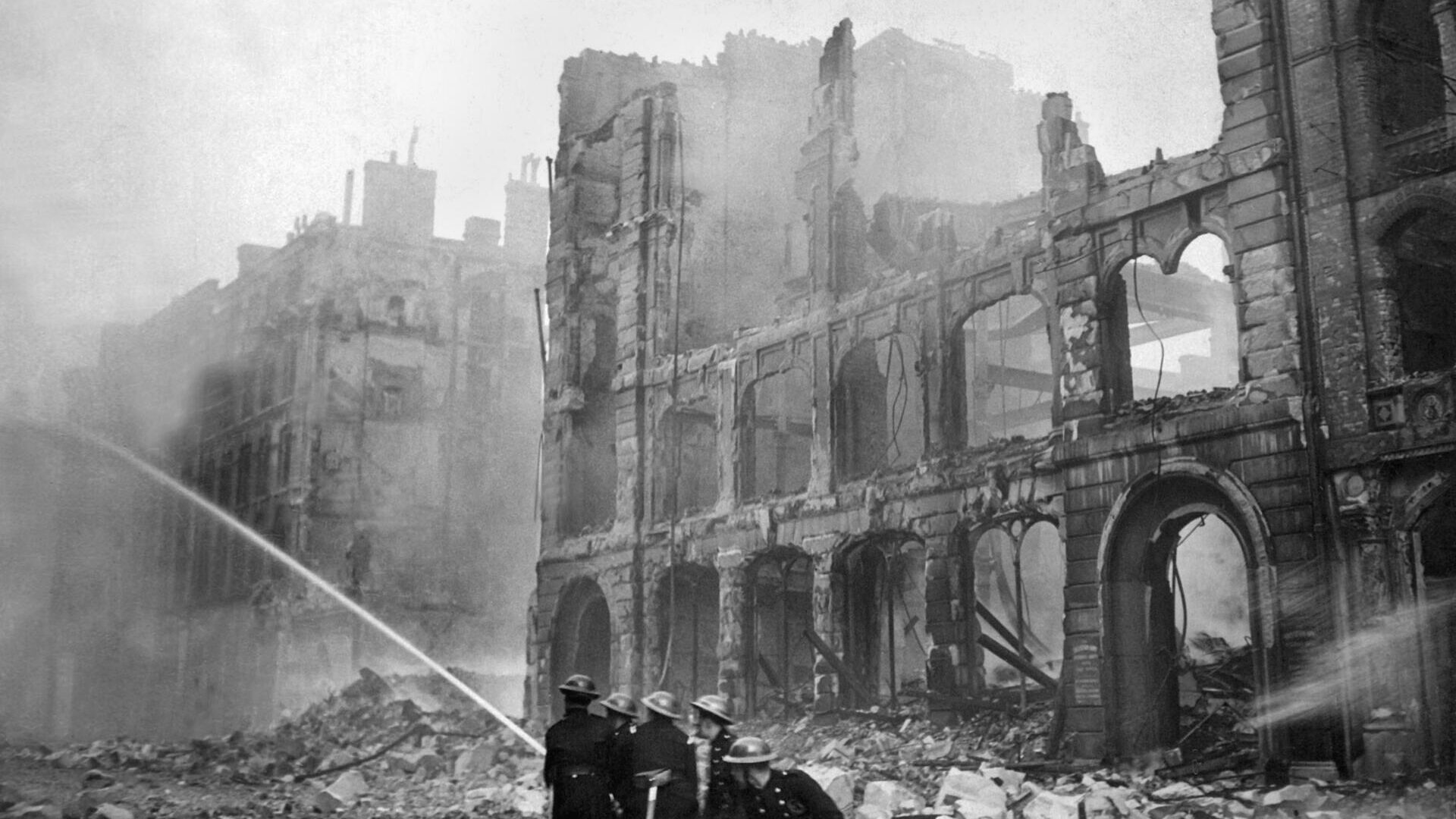
In its long history, members of the LCF have seen and faced the darkest of times and, perhaps, none more so than during the two world wars. For understandable reasons, LCF records from the Edwardian period and the years of the First World War are scant, and the activities of the Lawyers’ Christian Fellowship during this time are difficult to reconstruct. Yet the question still stands, how did an established group of Christian lawyers respond to period of global, national and personal crisis?
A clearer picture emerges in 1927, when the Committee, chaired by Sir George King, appointed Francis Coningsby and Owen Thompson as Joint Secretaries, with Montague Goodman serving as Treasurer. At that meeting, the Committee considered the future direction of the Union’s work and introduced quarterly evening meetings in the Council Chamber of the Law Society. The following year, Viscount Hailsham became President. He remained in office for more than twenty years, providing steady leadership through a period of enormous change and upheaval.
One of the most enjoyable parts of researching this period has been reading the monthly newsletters of the Lawyers’ Prayer Union, as it was then known. Although it is unclear exactly when they began, by 1929 Francis Coningsby was producing a monthly newsletter for members, a ministry he faithfully continued until his retirement in 1960.
The newsletters recorded the Union’s activities and almost always included a short sermon or biblical reflection written by Francis. With the outbreak of the Second World War in 1939, the Union remained steadfast. The monthly newsletters continued as did the quarterly meetings. The newsletters were undoubtedly a source of encouragement, urging members to support those who had enlisted in the Armed Forces while remembering that Christians might hold differing views on the war itself. The recurring message was one of unity, perseverance, and finding joy in the Lord despite the uncertainty and hardship of the times.
Throughout the war years, the Union also received letters from members serving in the Armed Forces. They wrote of the godlessness they encountered amidst the conflict, but one particularly memorable account came from a member who wrote that he prayed by his bedside every day without ever facing ridicule though, sadly, he found that most people simply took no interest in matters of faith. This serves as a reminder to live out our faith openly and faithfully, allowing God to use us wherever He has placed us.
The striking feature of these newsletters is the sense of normalcy they convey, how daily life continued throughout the war and in its aftermath. Even as Britain endured conflict and uncertainty, the regular rhythms of the Fellowship carried on. Today, while we may easily become overwhelmed by the chaos and difficulties that surround us, and by the constant stream of news at our fingertips, we are called to remain steadfast in our faith. Circumstances may change, but God does not. The assurance that we have a Saviour is a source of lasting hope and freedom, one in which we can continue to rejoice.
Another significant milestone came in February 1950, when the organisation changed its name to The Lawyers’ Christian Fellowship, the name by which we are still known today. Later that year, following the death of Viscount Hailsham, Lord Justice Denning succeeded him as President.
Today, the LCF continues to represent all ages and stages of the legal profession, from those studying law at university to senior lawyers and judges. While the world around us continues to move and change, we remain united by our profession of Christ as Lord and Saviour, rooted in God’s Word and committed to meeting together in fellowship and prayer.